Logo
JW
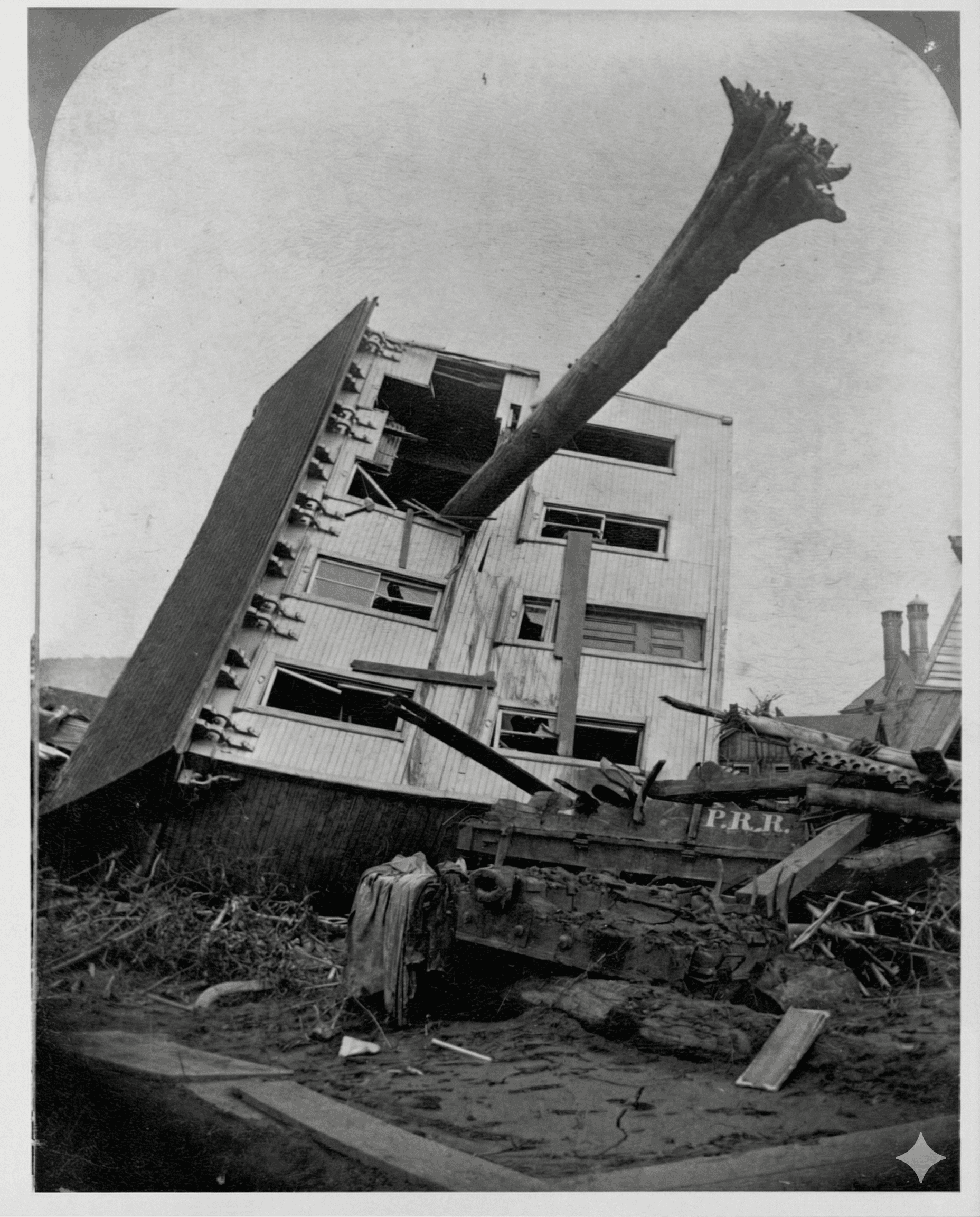
Hero image: Tree house in Johnstown
40°19′26″N 78°55′15″W | CAMBRIA COUNTY, PA

Three Floods.

One Hundred Years.

One Unbreakable City.

Johnstown, Pennsylvania endured catastrophic floods in 1889, 1936, and 1977. Each time, steel-forged people rebuilt from nothing. This is their story.

SCROLL
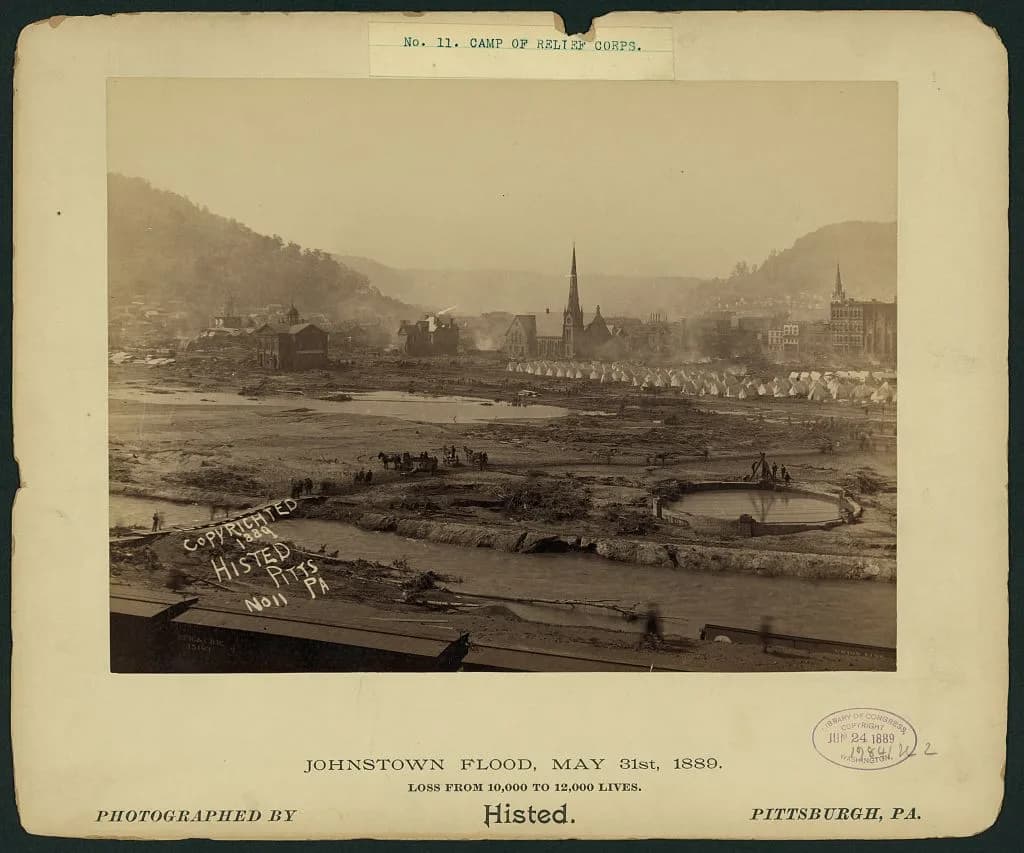
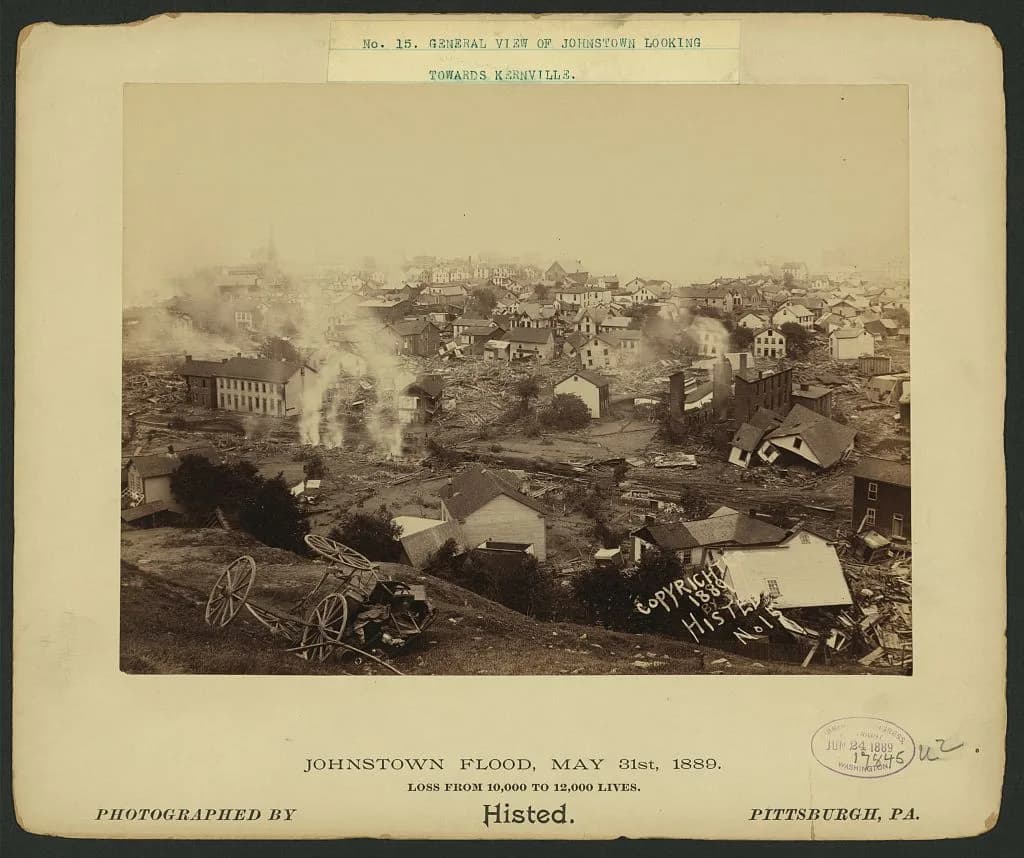
May 31, 1889 — South Fork Dam fails at 3:10 PM
The flood wave traveled 14 miles at 40 miles per hour
2,208 confirmed victims — the largest U.S. civilian disaster death toll of the 19th century
Clara Barton and 50 Red Cross volunteers spent 5 months in Johnstown
18 foreign nations sent relief aid
The South Fork Fishing & Hunting Club was never held legally responsible
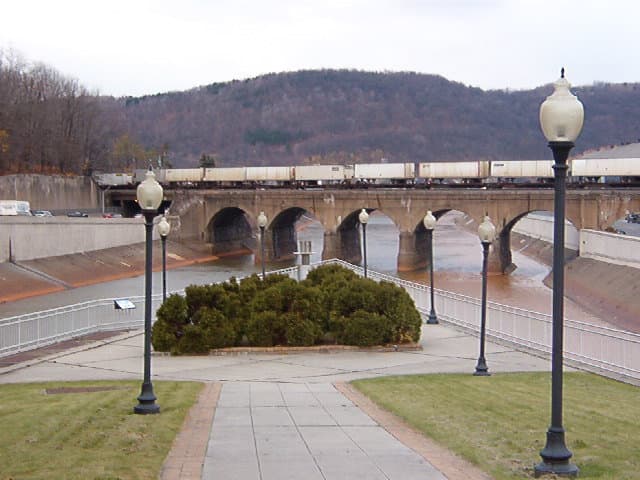
The Stone Bridge — built 1887 — survived the flood and stopped the debris wave
Johnstown was rebuilt within two years
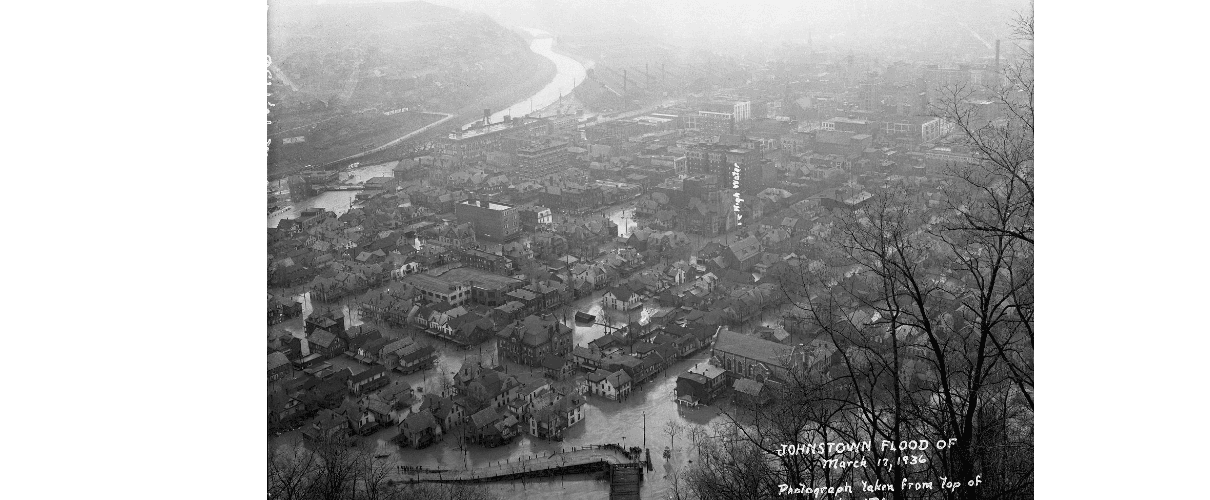
March 17, 1936 — St. Patrick's Day — waters rise 14 feet in hours
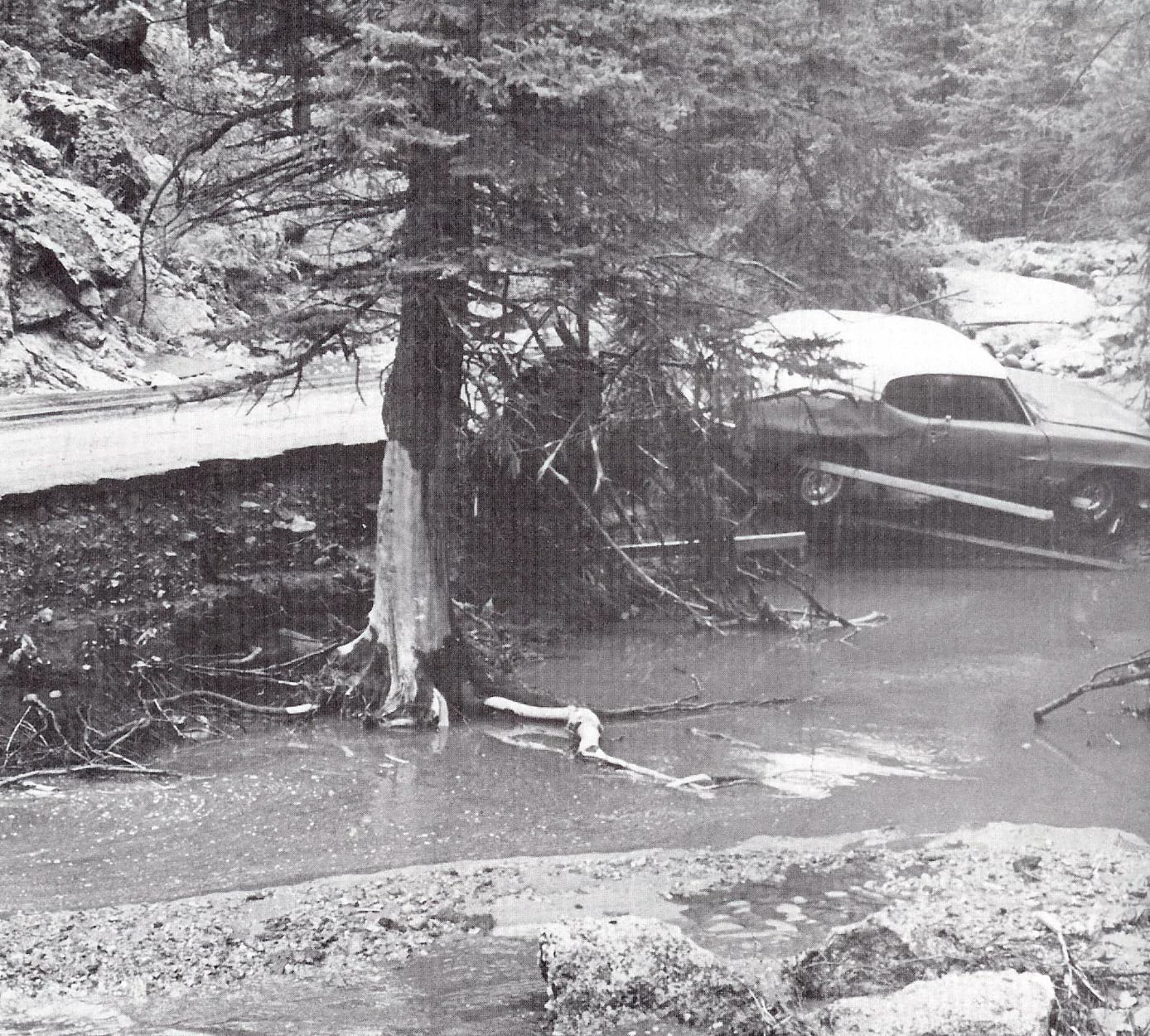
July 19, 1977 — Laurel Run Dam fails, releasing 101 million gallons
Three floods. Three rebuilds. One city still standing.
May 31, 1889 — South Fork Dam fails at 3:10 PM
The flood wave traveled 14 miles at 40 miles per hour
2,208 confirmed victims — the largest U.S. civilian disaster death toll of the 19th century
Clara Barton and 50 Red Cross volunteers spent 5 months in Johnstown
18 foreign nations sent relief aid
The South Fork Fishing & Hunting Club was never held legally responsible
The Stone Bridge — built 1887 — survived the flood and stopped the debris wave
Johnstown was rebuilt within two years
March 17, 1936 — St. Patrick's Day — waters rise 14 feet in hours
July 19, 1977 — Laurel Run Dam fails, releasing 101 million gallons
Three floods. Three rebuilds. One city still standing.

Three Disasters. Three Resurrections.
140

Johnstown was not built beside steel. It was built from it. For 140 years, from the founding of Cambria Iron Works in 1852 to the closing of Bethlehem Steel in 1992, the mills ran night and day. The furnace glow was visible for miles. The sound of hammers was the city's heartbeat. When the floods came — in 1889, in 1936, in 1977 — it was the steel-hardened character of this people that made rebuilding not a question of whether, but only of how fast.

Furnace
1852Cambria Iron Founded
Furnace
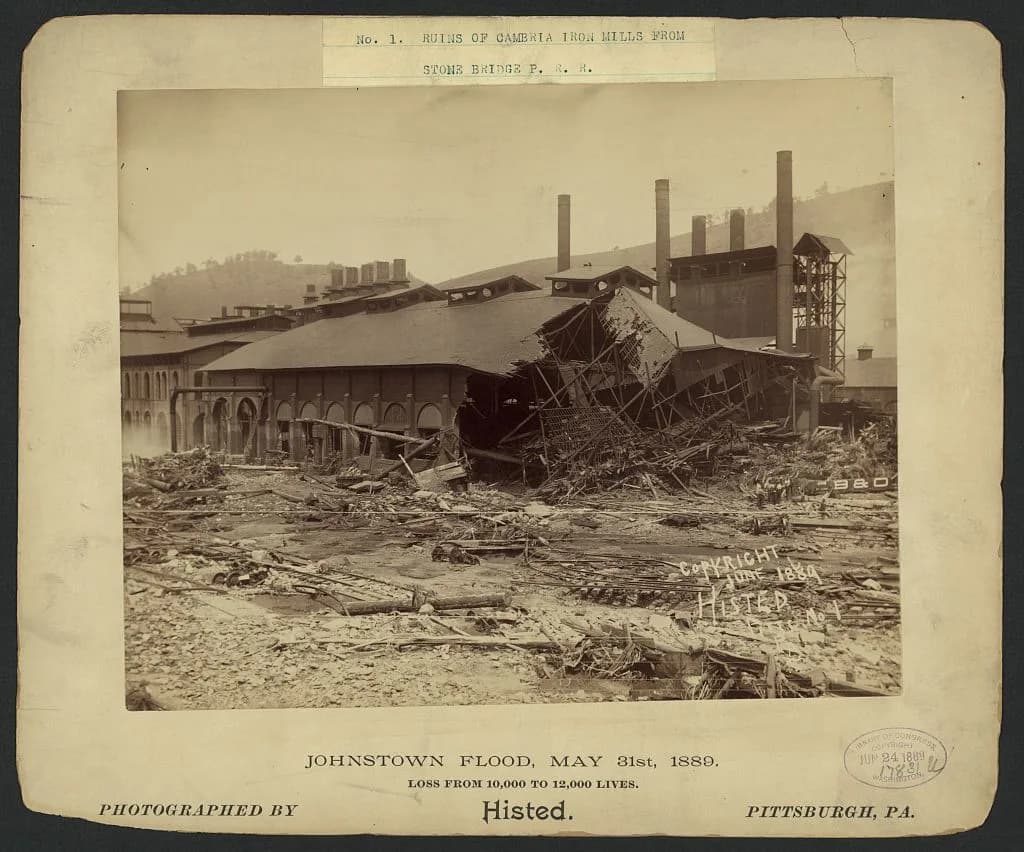
1889Flood — Mills Survive
Furnace
1936Flood — Mills Survive
Furnace
1977Flood — Mills Survive
Furnace
1992Bethlehem Closes
Cambria Mills Ruins
Inclined Plane
Downtown Modern
1852
Cambria Iron Works Founded
1867
First Bessemer Rails in USA
1879
Dam sold to Fishing Club
1889
MAY 31: THE GREAT FLOOD
1889
June: Clara Barton Arrives
1890
Rebuilding Complete
1923
Bethlehem Steel Acquisition
1936
MAR 17: ST. PATRICK'S FLOOD
1936
Army Corps Project Authorized
1977
JUL 19: THE THIRD FLOOD
1977
Disaster Declaration
1992
Bethlehem Steel Closes
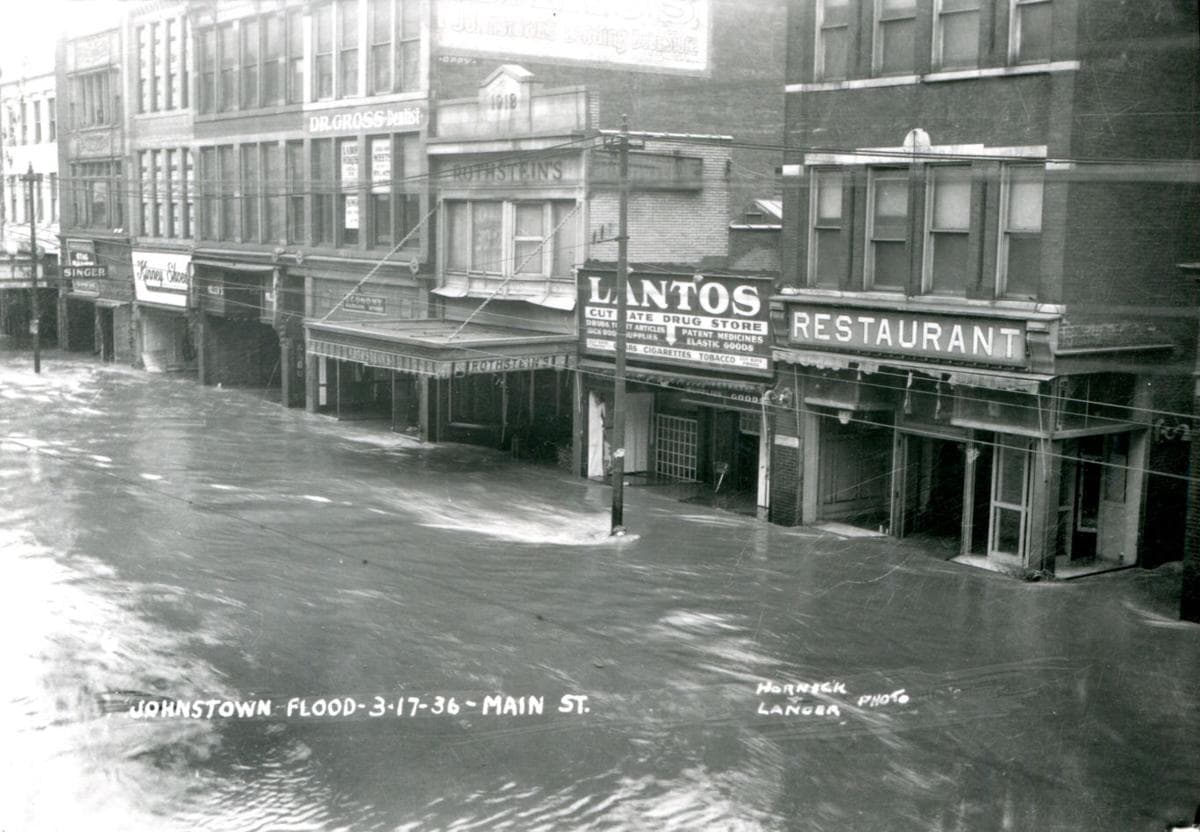
Main Street during the Flood
Historical Crisis
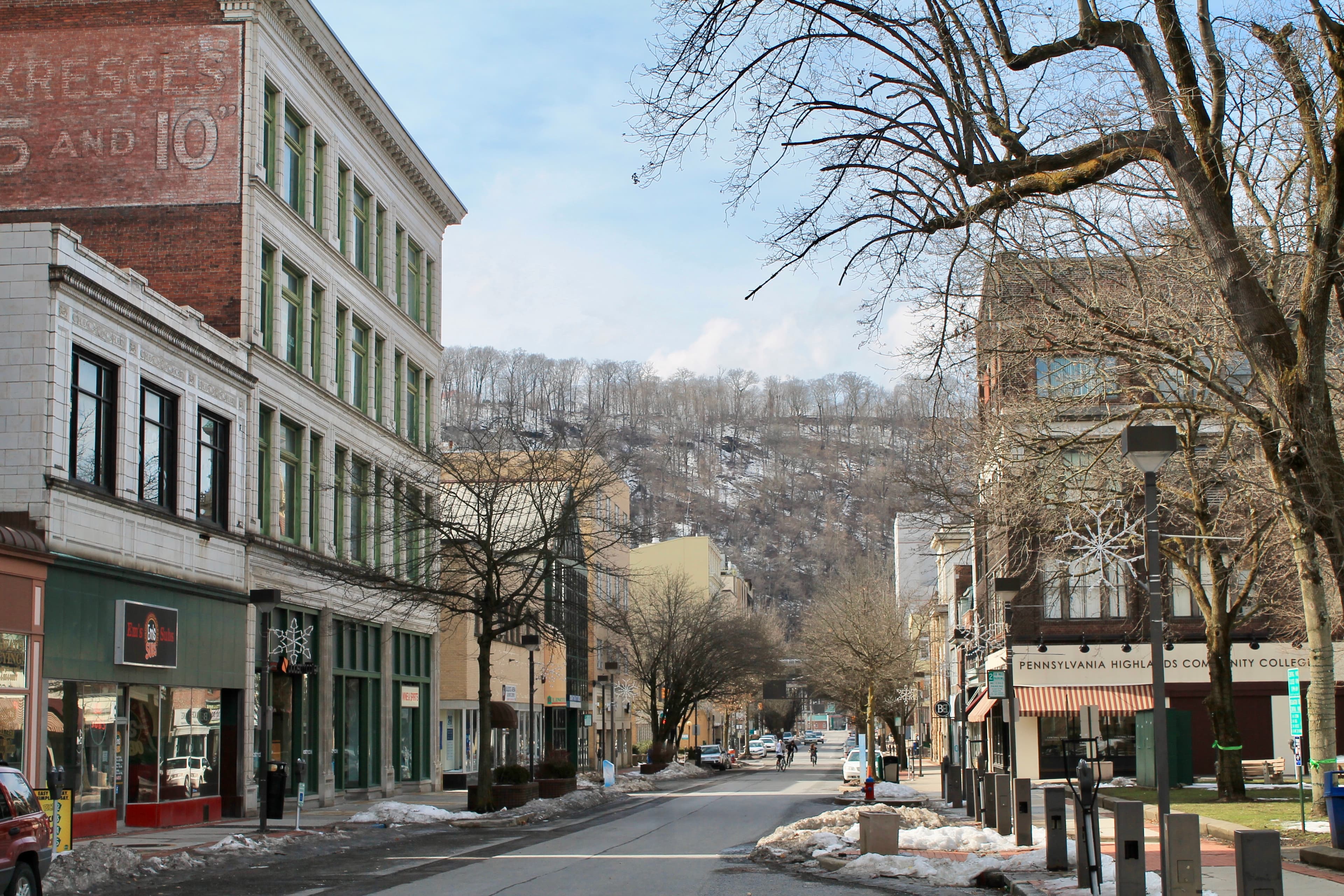
Main Street Today
Main St. Today

Johnstown Today:
The Fourth Reconstruction

For over a century, Johnstown's identity was forged in steel and tested by water. Today, the city is redefining itself once again—not as an industrial titan, but as a resilient hub of healthcare, heritage tourism, and outdoor recreation.

While the scars of 1889, 1936, and 1977 remain part of the city's DNA, the modern focus is on sustainable growth and community spirit.

Revitalization & Housing

Vision Together 2025 is constructing 21 new homes downtown. The $24.4M RAISE grant is currently transforming Central Park and Main Street with modern pedestrian-friendly infrastructure.

The Medical Hub

A new $77M Heart Center at Conemaugh Memorial anchors a growing healthcare sector that has replaced steel as the city's primary employer.

Recreation & Culture

The Stonycreek River, once polluted by industrial runoff, is now a premier destination for whitewater kayaking and the annual AmeriServ Flood City Music Festival.

Explore Today

Point State Park with Stone Bridge

Johnstown's Point State Park, featuring the historic Stone Bridge in the background—a symbol of the city's enduring resilience.

Cambria Iron Works — founded 1852 — birthplace of the American steel rail
First Bessemer steel rails in the United States rolled in Johnstown, 1867
At peak: 12,000 steelworkers labored in Johnstown's mills
Bethlehem Steel acquired Cambria in 1923 — operated 140 continuous years
Johnstown steel went into U.S. warships during World War II
The Inclined Plane — steepest vehicular railway in the world at 70.9% grade — saved flood survivors
The mills survived the 1889 flood and were producing steel within months
Bethlehem Steel closed in 1992 — ending 140 years of iron and steel production
Cambria Iron Works — founded 1852 — birthplace of the American steel rail
First Bessemer steel rails in the United States rolled in Johnstown, 1867
At peak: 12,000 steelworkers labored in Johnstown's mills
Bethlehem Steel acquired Cambria in 1923 — operated 140 continuous years
Johnstown steel went into U.S. warships during World War II
The Inclined Plane — steepest vehicular railway in the world at 70.9% grade — saved flood survivors
The mills survived the 1889 flood and were producing steel within months
Bethlehem Steel closed in 1992 — ending 140 years of iron and steel production