
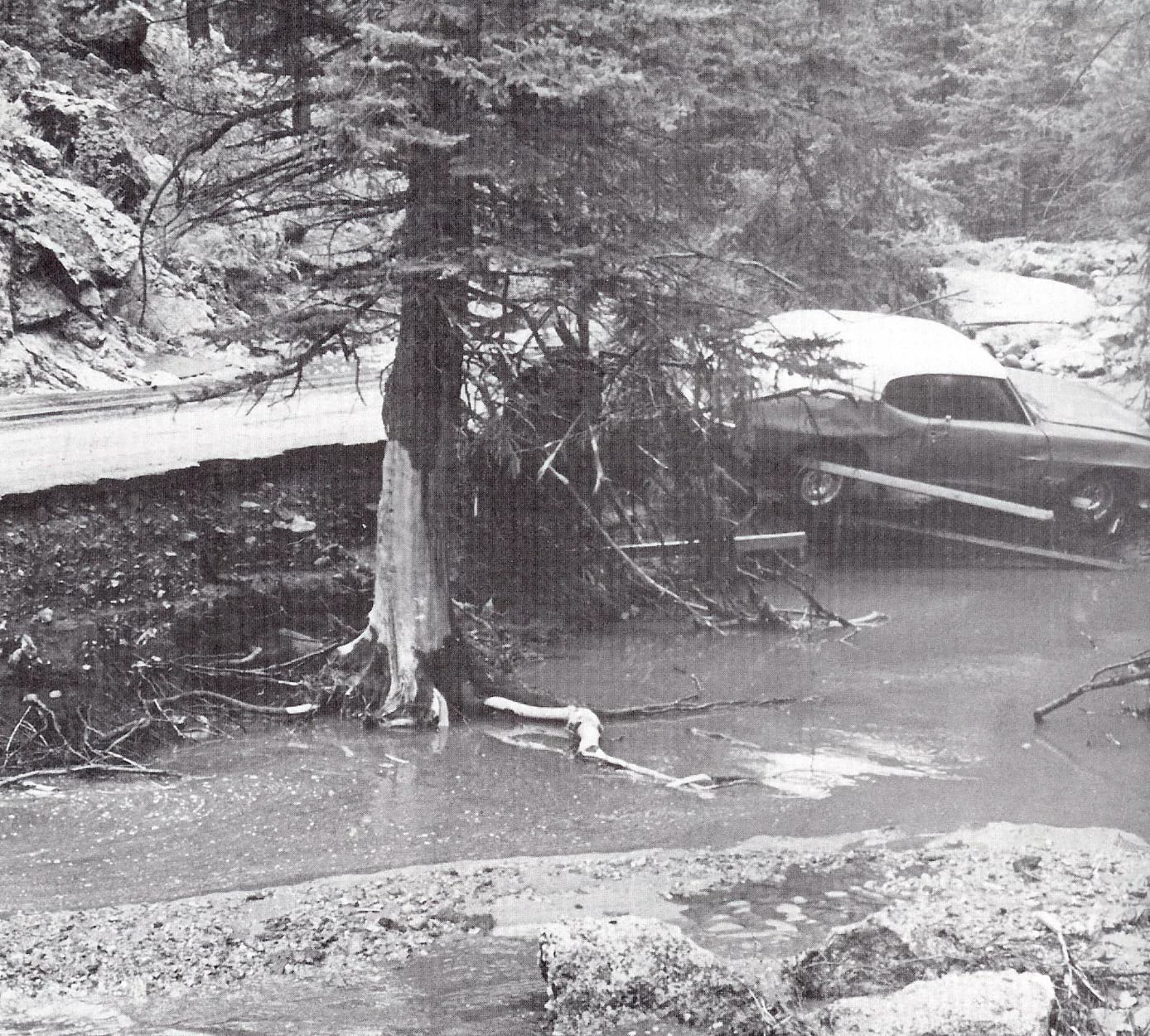
The Third Catastrophe
On July 19, 1977, stalled thunderstorms dropped nearly 12 inches of rain. Six dams failed. The flood control channels were overwhelmed.

July 19, 1977 — summer thunderstorms stalled over the Allegheny highlands. The rain gauge at Laurel Run recorded 11.85 inches in 24 hours. The Army Corps concrete channel that had been built specifically to protect Johnstown was overwhelmed. Six dams above the city failed in sequence. Laurel Run Dam failed at approximately 10:30 PM, releasing a wall of water through the Laurel Run community.
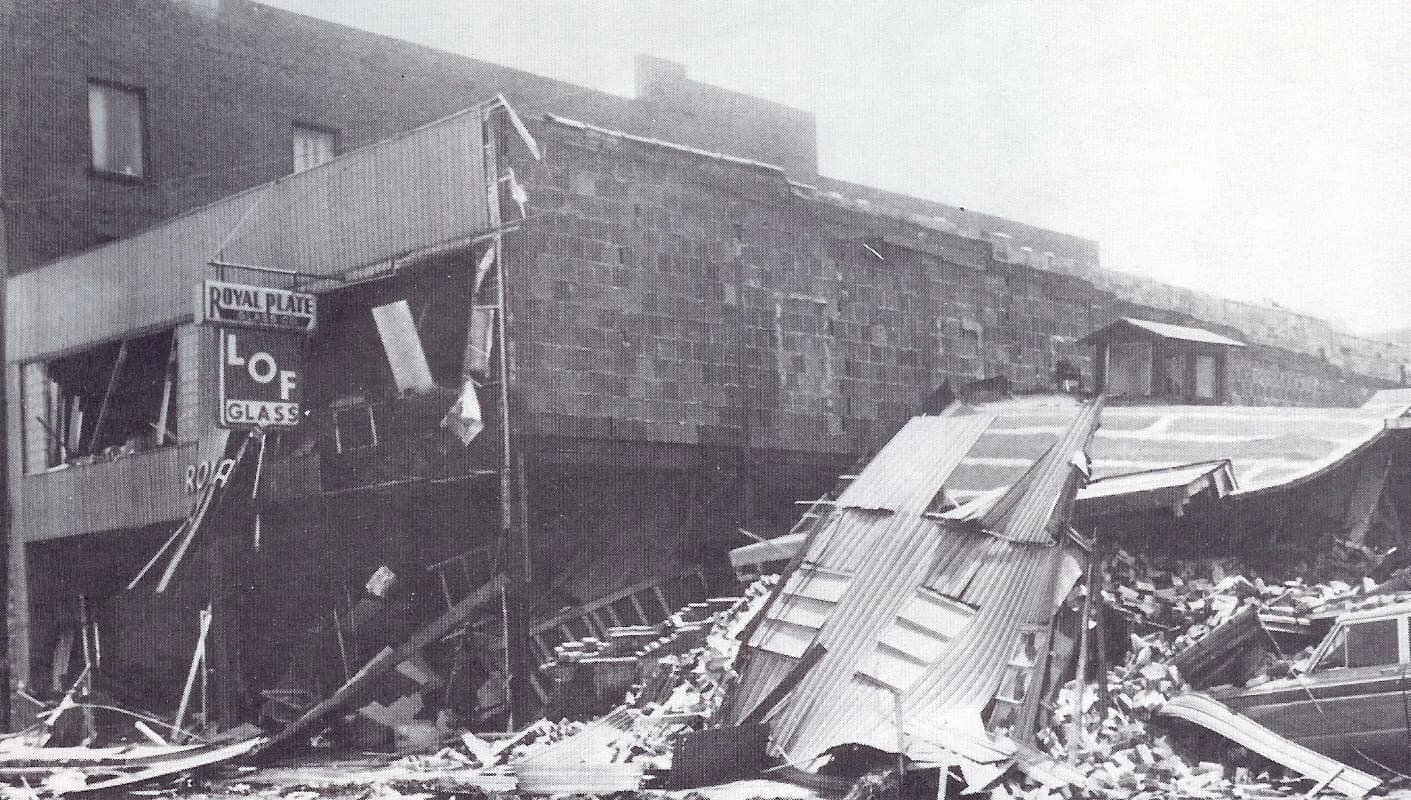
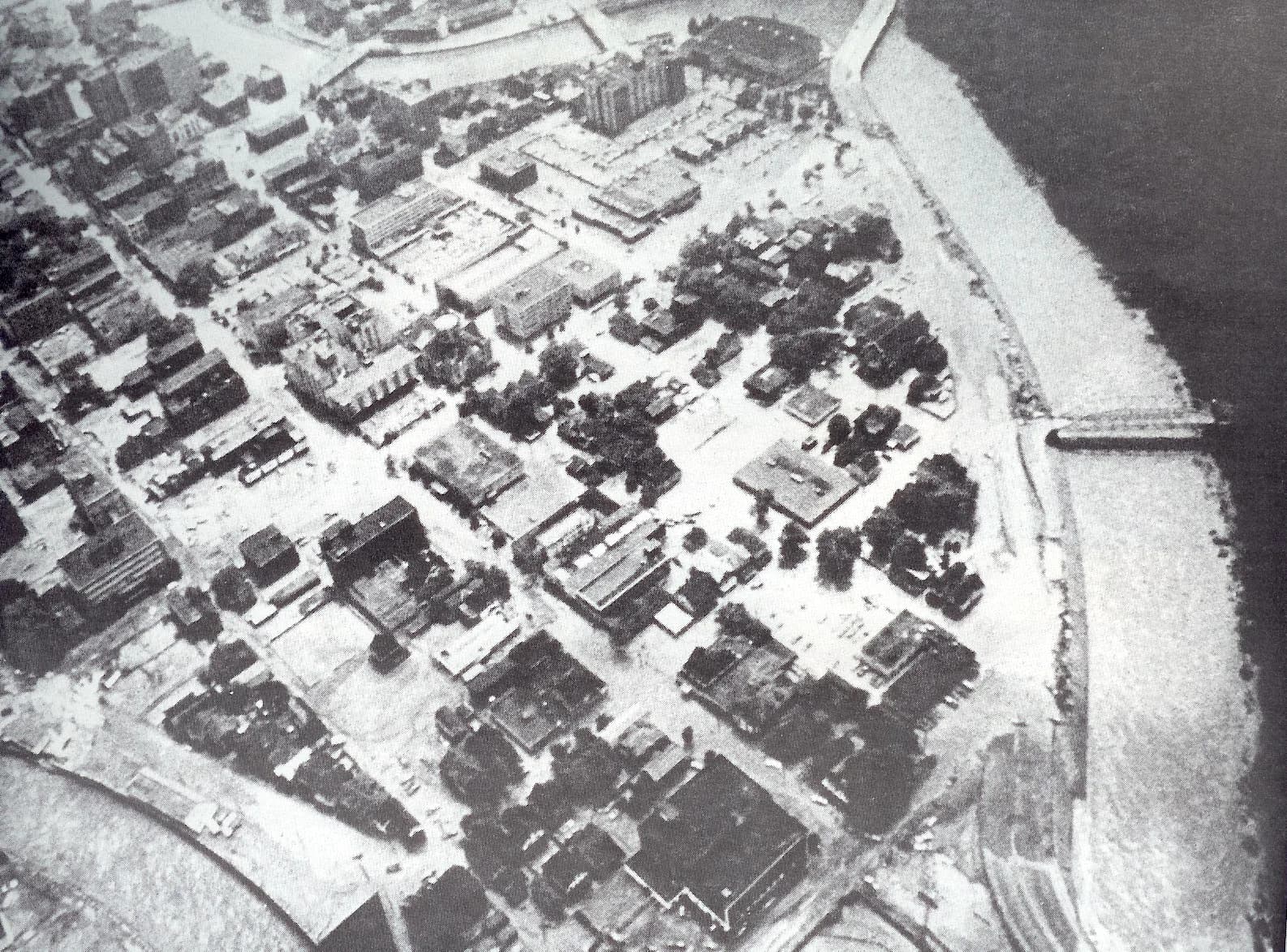
Destruction from the 1977 Johnstown Flood
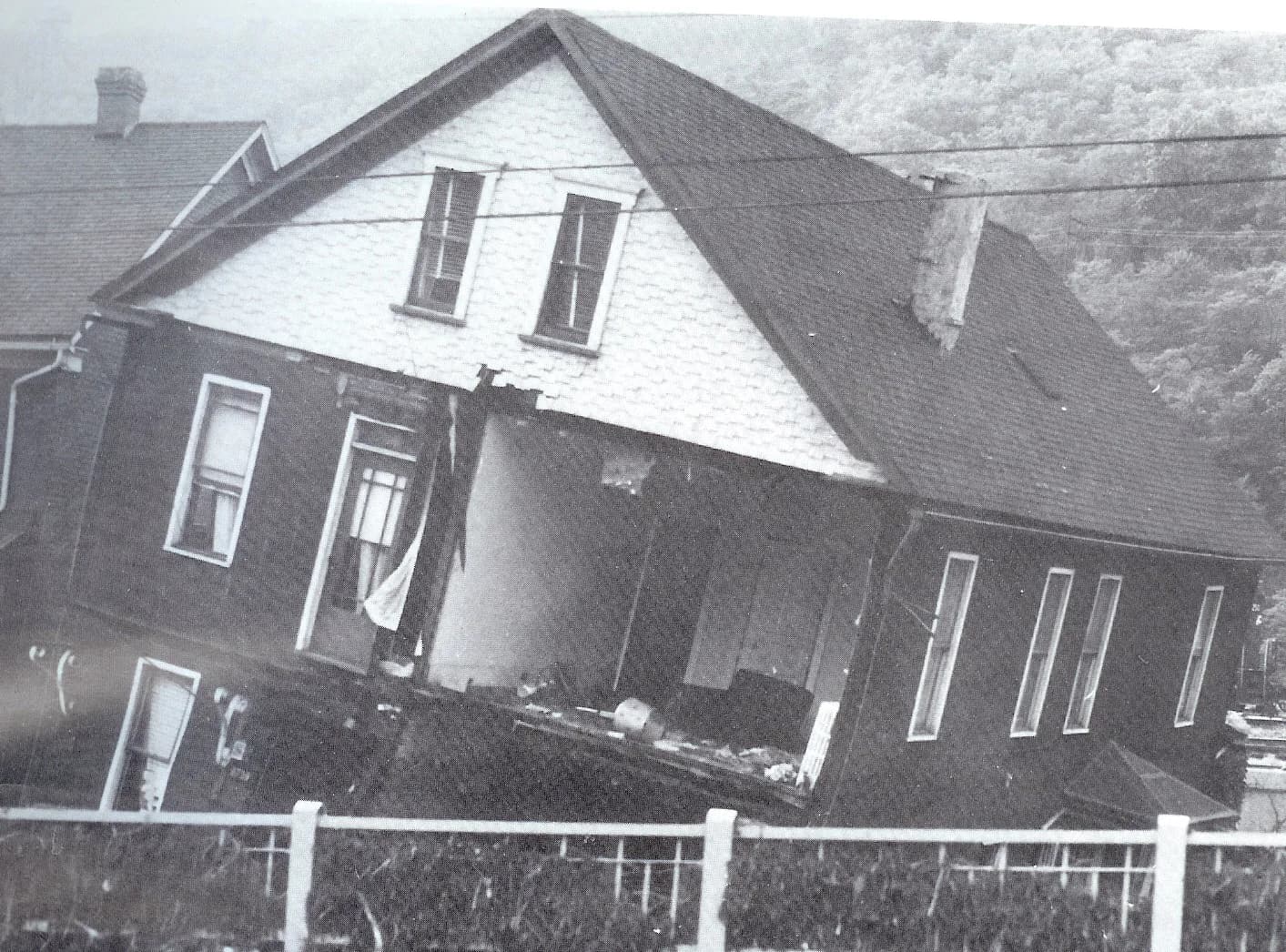
Flood waters receding in 1977
Damaged homes after the 1977 flood
Mud and debris in the streets, 1977
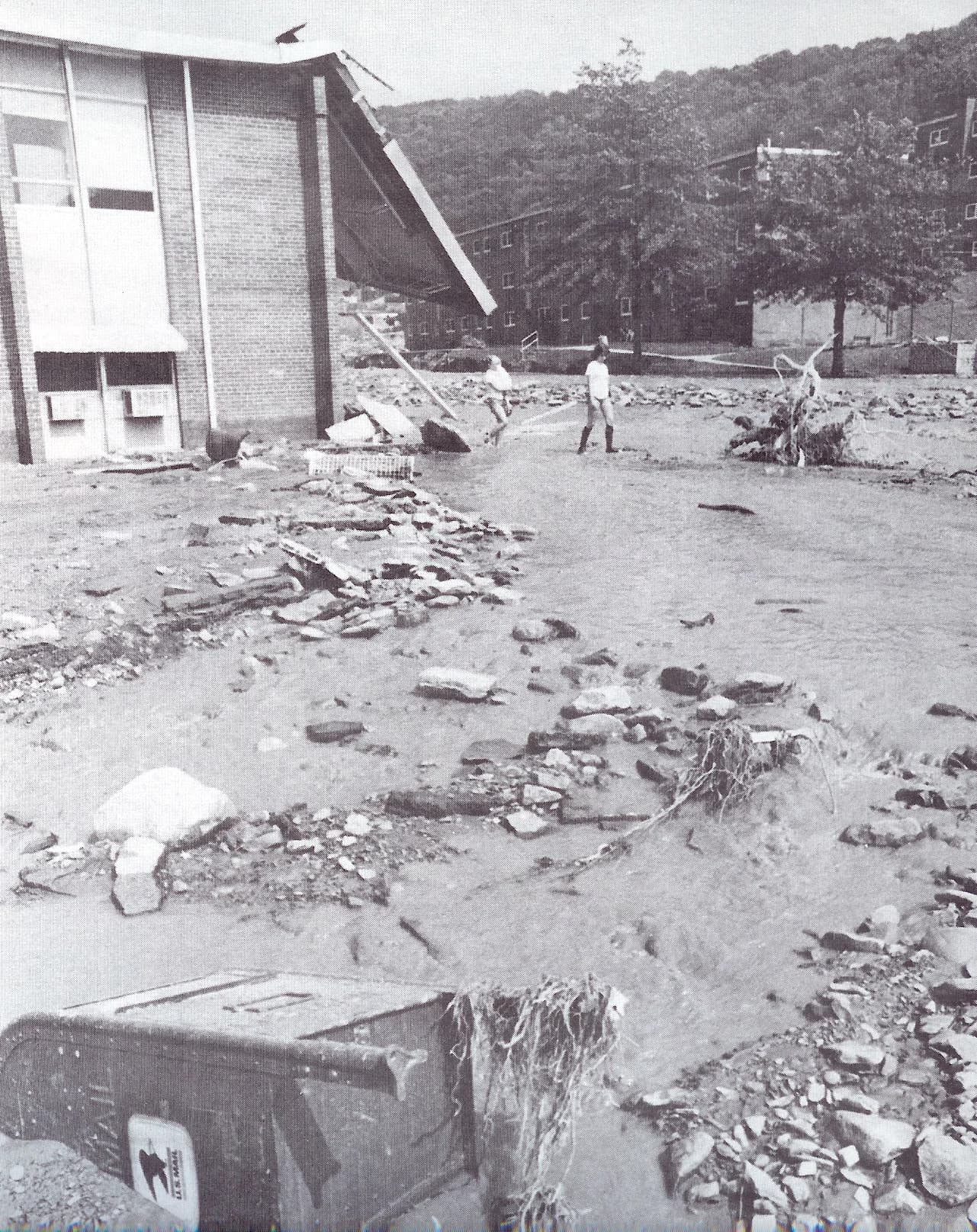
Clean up efforts begin in 1977
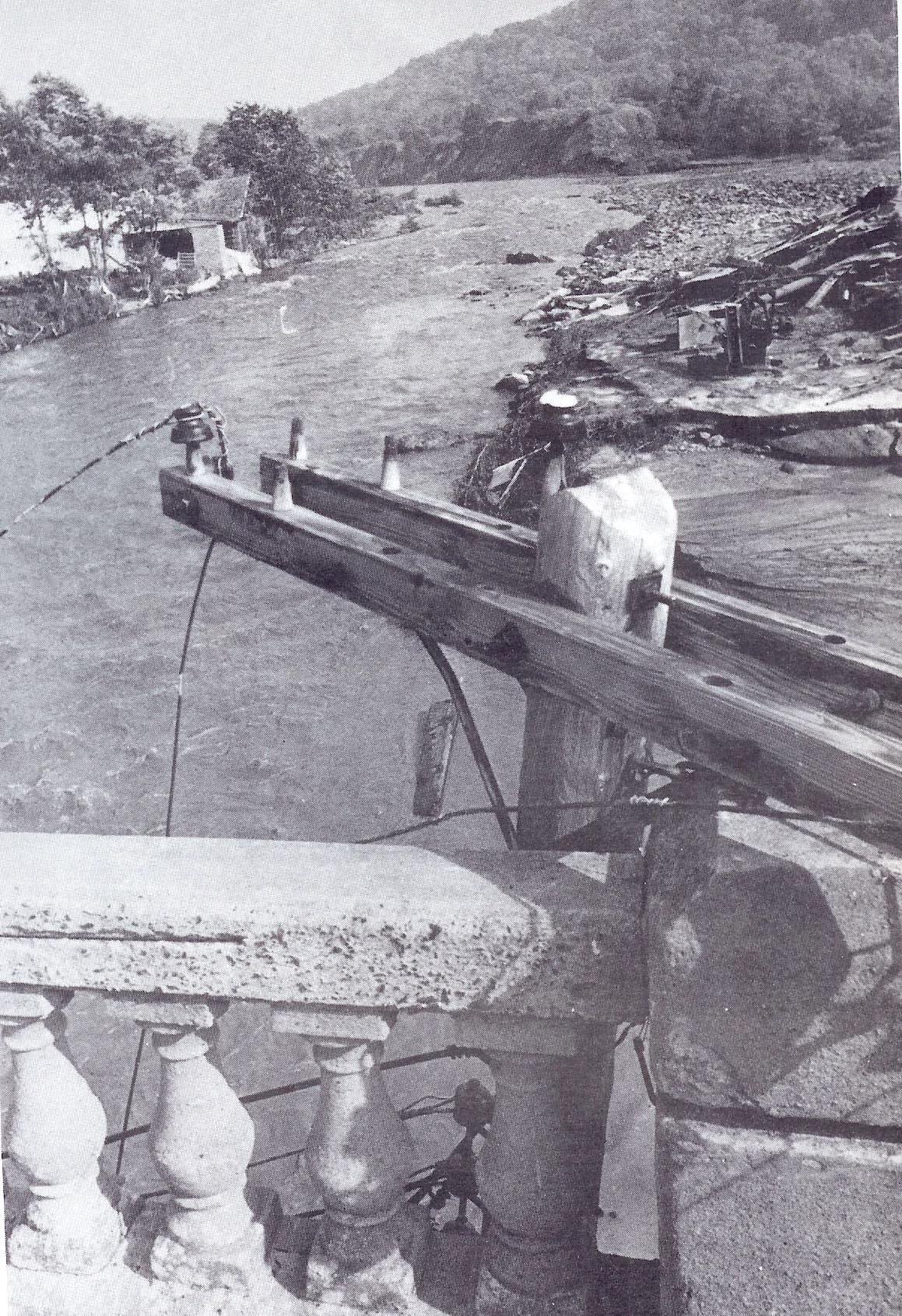
1977 Flood aftermath
84 people died — half of them in their cars, trying to flee. The Conemaugh Memorial Hospital flooded. The Inclined Plane (again) evacuated residents. Entire blocks of the Tanner Street neighborhood were swept away. The city that had rebuilt twice was underwater a third time.
July 19: 12 inches of rain falls
10:30 PM: Laurel Run Dam fails
July 20: City wakes to devastation
President Carter declares disaster
Steel industry decline accelerates

The Beginning of the End for the Mills
Bethlehem Steel had already been reducing its Johnstown workforce through the 1960s and 70s as overseas competition intensified. The 1977 flood damaged mill facilities and accelerated job losses. By 1992, the furnaces that had burned for 140 years went cold. The steel thread that ran through every chapter of Johnstown's story — through every flood, through every rebuilding — finally broke.
The 1977 flood did something the first two could not — it shook the city's faith in its own future. Population had been declining since the 1950s as steelmaking mechanized; 1977 accelerated that exodus. Bethlehem Steel began cutting its Johnstown workforce. The city that had 67,000 residents in 1920 began its long contraction.